Top 5 Summer Wildflowers in Grand Teton National Park
28 Jun 2026
Discover the colorful blooms that brighten the park each summer
Summer/Fall 2026
| Images: Courtesy National Park Service | Grand Teton National Park
Towering peaks may be Grand Teton National Park's biggest claim to fame, but each summer, the valley floor comes alive with colorful wildflowers that are just as worthy of a second look. From vibrant alpine meadows to sagebrush flats, visitors can spot an incredible variety of native blooms while hiking, wildlife watching or simply enjoying one of the park's scenic drives.
Whether you're a seasoned botanist or simply appreciate a beautiful landscape, here are five of the most common and recognizable summer wildflowers to look for during your next visit to Grand Teton National Park.
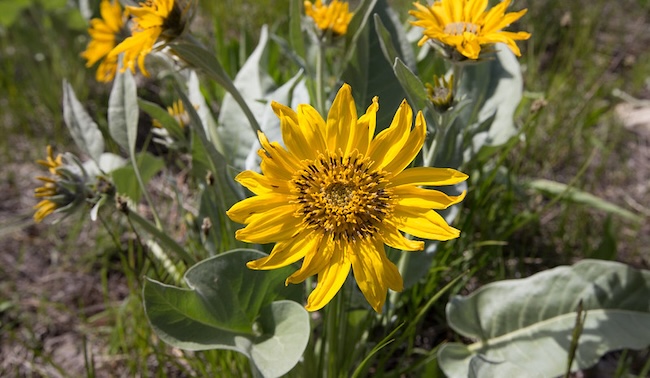
1. Arrowleaf Balsamroot
Often mistaken for a sunflower, arrowleaf balsamroot is one of the first bright yellow flowers to blanket the valley each summer. Its large blooms and distinctive arrow-shaped leaves create stunning displays across sagebrush hillsides, particularly in late May and June.
Where to look: Lower-elevation meadows and sagebrush habitats throughout the park.
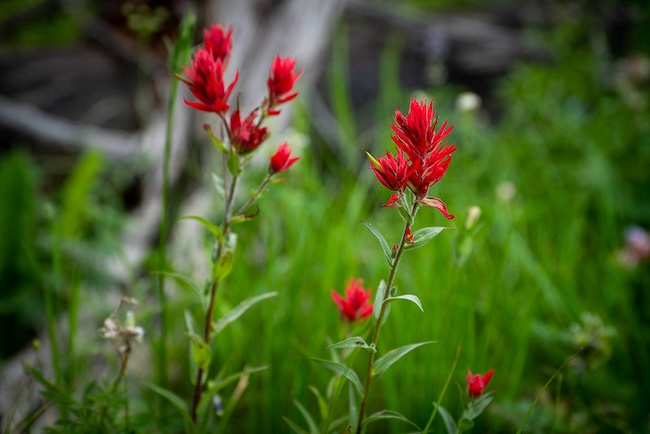
2. Indian Paintbrush
No list of Grand Teton wildflowers would be complete without Indian paintbrush. Wyoming's state flower, this striking plant is known for its vivid red, orange and scarlet bracts that resemble a paintbrush dipped in bright color. It often grows alongside other wildflowers, adding dramatic contrast to summer landscapes.
Where to look: Meadows, open forests and mountain slopes.
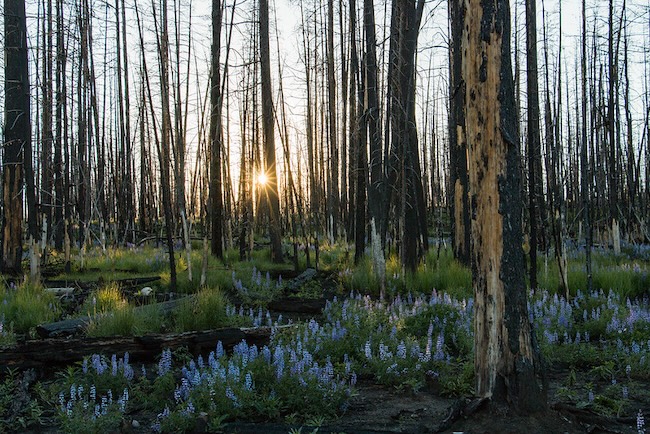
3. Lupine
With tall spikes of purple, blue and occasionally pink blossoms, lupine is one of the park's most photographed summer wildflowers. These colorful flowers often grow in large patches, creating beautiful displays against the backdrop of the Teton Range.
Where to look: Moist meadows, roadsides and open grasslands throughout the park.
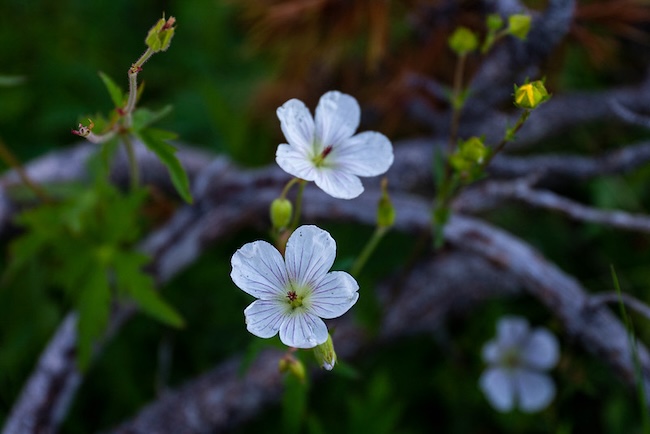
4. Sticky Geranium
Delicate pink to magenta blossoms make sticky geranium another favorite among summer visitors. Despite its name, the plant's stems and leaves have tiny sticky hairs that help distinguish it from other wildflowers. It blooms throughout much of the summer and thrives in slightly shadier environments.
Where to look: Forest edges, wooded trails and mountain meadows.
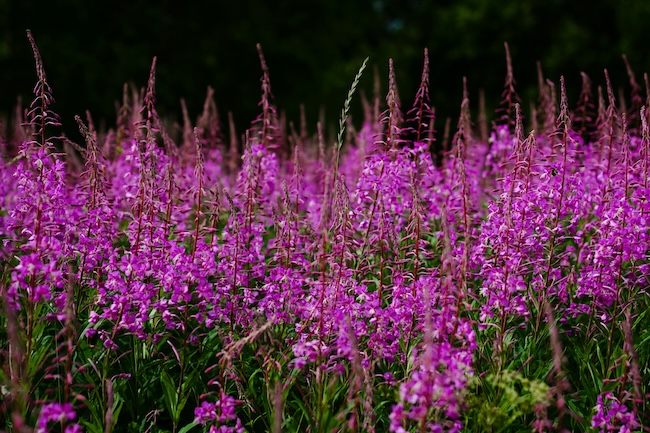
5. Fireweed
Towering stems topped with brilliant pink-purple flowers make fireweed easy to spot later in the summer. As its name suggests, this resilient wildflower is often one of the first plants to colonize areas following wildfire or other natural disturbances, symbolizing renewal and resilience.
Where to look: Roadsides, open meadows and recently disturbed areas, particularly from mid- to late summer.
Enjoy Wildflowers Responsibly
Grand Teton National Park's wildflowers are an important part of the Greater Yellowstone Ecosystem, providing food and habitat for pollinators and other wildlife. Help protect these beautiful native plants by staying on designated trails, leaving flowers where they grow and enjoying them through photographs rather than picking them.
Wildflower displays change from year to year depending on snowpack, weather and elevation, making every summer visit a little different. Slow down, look closely and you'll discover that some of Grand Teton National Park's most memorable sights aren't just found on the mountain peaks—they're blooming right at your feet.