
A Deeper Look at Handwoven Luxury: Kismet Fine Rugs’ 2026 Rug Guide
14 Jan 2026
A refined exploration of craft, heritage, and enduring design for mountain homes
Winter/Spring 2026
In Jackson Hole, we understand craftsmanship. We value objects made to last—pieces with a story, a sense of place, and a reason for being. Whether it’s a hand-built home, a well-worn saddle, or a landscape carved by centuries and storms, authenticity matters here.
That same ethos lives inside Kismet Fine Rugs, a longtime local gallery that has quietly built one of the most impressive collections of handwoven luxury rugs in the region. With the release of their 2026 Ultimate Guide to Handwoven Rugs, Kismet has done something rare: created a resource that doesn’t simply highlight beautiful rugs, but invites buyers into immerse themselves in the deeper knowledge behind them—the materials, the techniques, the cultural lineage, and the quiet details that separate true heirloom pieces from everything else.
This guide isn’t about simply selling you rugs; rather, it’s about helping you understand the art behind them.
A Guide Rooted in Experience, Not Trend Cycles
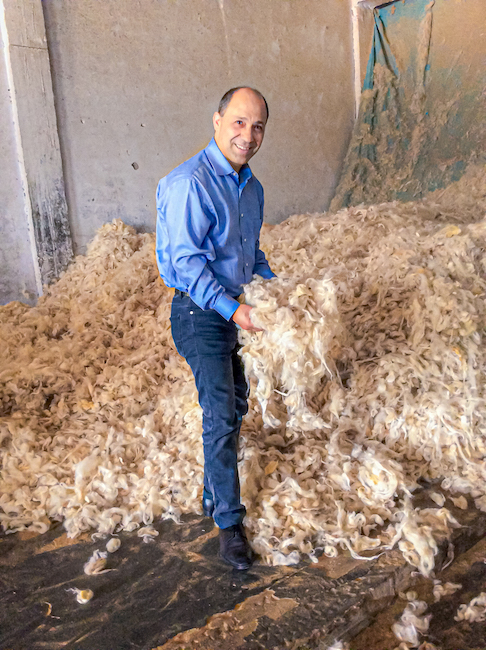
Developed over more than a month of focused research and collaboration, the guide draws directly from the expertise of Jeff Neishabouri, Kismet’s founder and curator. With more than 42 years in the rug industry—and 35 of those spent in the same Jackson Hole location—Jeff brings an uncommon level of continuity and first-hand knowledge to the craft.
Alongside him is Ivan Jones, Kismet's Director of Marketing and Design, and one of the expert staff members who worked tirelessly to shape the guide’s structure and clarity. Together, they approached the project as educators, not mere marketers.
The result is a thoughtfully sequenced resource that walks readers through:
—How to identify true handwoven rugs
—Why materials, dyes, and knot structure matter
—How regional styles and cultural symbolism influence design
—What actually determines longevity, durability, and value
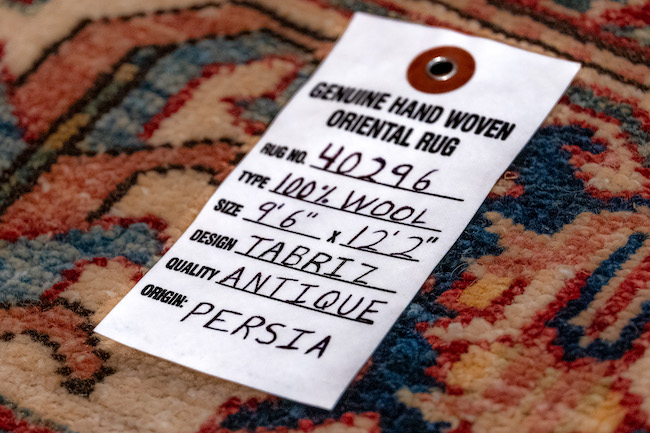
One of the guide’s most important clarifications addresses a frequent point of confusion in the rug world: "Handmade is a very ambiguous term when it comes to rugs," explained Ivan. "All handwoven rugs are handmade, but not all handmade rugs are hand-woven, and that's a huge gap in quality and the life expectancy of a rug and durability." That distinction alone can dramatically affect how a rug wears, ages, and ultimately lives in a home.
Designed with custom navigation and extensive photography, the guide is meant to be revisited—whether you’re learning at home or referencing it while shopping.
"We think this is the best rug guide on the market pertaining to hand true handmade handwoven rugs," said Ivan. "We're hoping that people all over the country lean on this resource to educate themselves about rugs."
What It’s Like to Work with Kismet
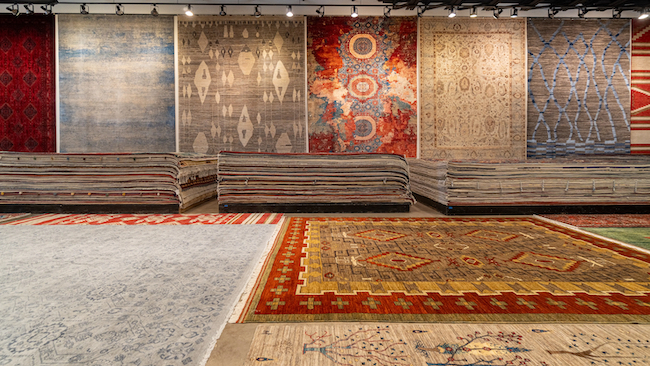
With an inventory exceeding 10,000 rugs, Kismet Fine Rugs offers a scale that feels impressive without ever feeling impersonal. The gallery experience is intentionally paced and highly collaborative.

Clients begin by talking through size and space, then gradually narrow options based on style, color, and budget. From there, one of Kismet's expert staff members will pull rugs from stacked collections—sometimes dozens at a time—laying them out, comparing details, and discussing construction, origin, and design.
There is no pressure to rush a decision and no difference in care based on price point. Every rug is treated as functional art, and every client is guided with the same level of attention. The goal is confidence—knowing that the piece you choose is one you’ll live with comfortably for years, if not generations.
A Global Craft, Thoughtfully Curated
While many of the world’s most revered rugs originated in Iran, today’s handwoven landscape reflects a broader geography. Kismet’s collection includes exceptional pieces from Turkey, Uzbekistan, Pakistan, India, Nepal, and Afghanistan, alongside select older Persian rugs.
Some designs are direct continuations of historic tribal weavings; others reinterpret traditional motifs through contemporary palettes. What unites them all is quality; every rug in the gallery is handwoven using wool, silk, or a blend of the two. Never machine-made, never mass-produced.
By working directly with weavers and eliminating middlemen, Kismet maintains transparency in both sourcing and pricing, while preserving the integrity of the craft itself.
A Gallery & Learning Space
Only a portion of Kismet’s inventory is currently available online, and while their digital catalog continues to expand, the gallery remains central to the experience.
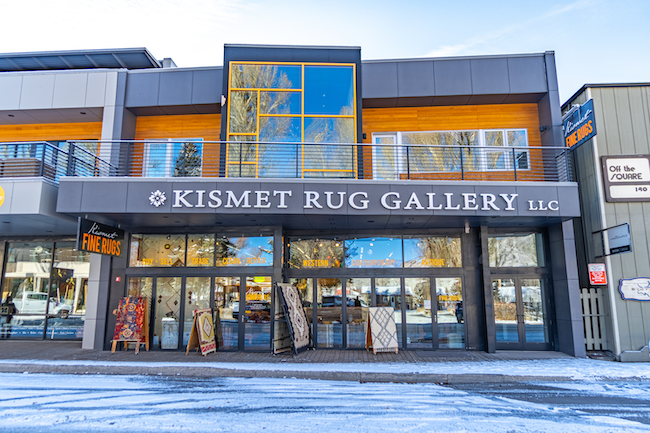
Visitors are encouraged to ask questions, learn about symbolic motifs, understand how natural dye variations affect a rug’s overall character, and even see small looms that demonstrate weaving techniques. It’s less about shopping quickly and more about slowing down—an approach that feels especially at home in Jackson Hole.
Why This Guide Belongs on Your Radar
The Kismet Ultimate Guide to Handwoven Rugs reflects a belief that aligns closely with this community: informed choices lead to better, longer-lasting investments. It demystifies a complex craft, honors the artisans behind it, and gives buyers the language and confidence to recognize true quality—wherever they encounter it.
For anyone furnishing a mountain home, refining a long-loved space, or simply wanting to understand what makes a rug truly exceptional, this guide is an invaluable starting point. And for those who walk through Kismet’s doors, it’s an open invitation to engage with one of the world’s oldest art forms: thoughtfully, knowledgeably, and on your own terms.